GitHub Copilot Workspace: Hey there, fellow creators and tech enthusiasts! Ever wish your AI coding assistant could do more than just chat? What if it could actually *see* and *interact* with your project in a shared, visual space? Well, get ready, because GitHub Copilot Workspace is leveling up with a game-changing feature: canvases. This isn't just about code suggestions anymore; it's about building custom, dynamic workflows that truly transform how you and your AI agents collaborate. 🚀
This article will demystify GitHub Copilot Workspace's canvases, showing you how these interactive surfaces can streamline your development tasks, enhance project management, and make AI a more intuitive partner. We'll dive into what canvases are, how they work, and most importantly, how you can start building your own custom workflows to boost your productivity. Let's make AI work smarter for *you*!
Advertisement
What Are GitHub Copilot Workspace Canvases? 🤔
Imagine a digital whiteboard where you and your AI assistant can both draw, write, and organize tasks in real-time. That's essentially what canvases are within GitHub Copilot Workspace. They're interactive surfaces designed for seamless collaboration between human developers and AI agents, moving beyond simple chat commands to a shared, visual environment. Think of them as your project's command center, where ideas, code, and tasks come alive.
These aren't just static displays; canvases are *bidirectional*. This means your AI agent can update the canvas as it works through a task, and you can jump in to edit, refine, or add new elements directly on the same surface. This constant feedback loop makes AI collaboration incredibly transparent and efficient, giving you full control while leveraging AI's speed and capabilities.
Beyond Chat: The Power of Visual Collaboration 💡
For a long time, AI assistants primarily communicated through text-based chat. While powerful, this often meant translating visual ideas into words, which can be clunky and prone to misinterpretation. Canvases solve this by providing a visual medium where complex tasks can be structured, iterated upon, and verified more intuitively. It's like moving from giving verbal instructions to drawing a detailed blueprint together.
This visual approach enhances transparency. You can literally *see* the AI's progress, the tasks it's working on, and the artifacts it's generating. This not only builds trust but also allows for quicker adjustments and interventions, making the human-AI partnership far more effective. It's about making AI an integral, visible part of your workflow, not just a hidden helper.
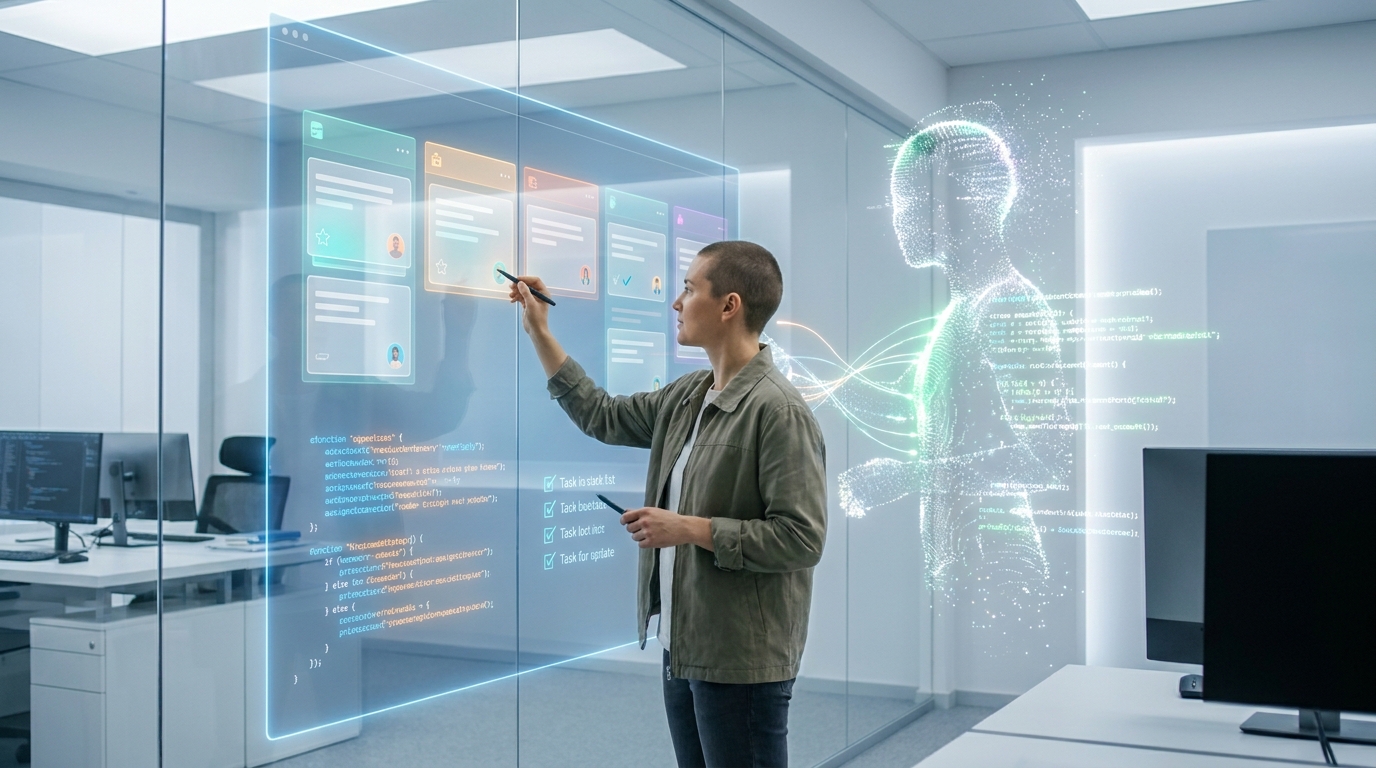
Canvases transform AI interaction from chat to a shared, visual workspace.
Customizing Canvases for Your Workflow Needs 🛠️
One of the coolest things about canvases is their adaptability. They aren't one-size-fits-all; you can customize them to fit almost any development workflow. Whether you're planning a new feature, triaging bugs, or drafting documentation, there's a canvas type that can help you organize and execute.
Think about it: you could have an agentic kanban board where your AI helps move tasks through stages, an issue triage board for prioritizing bugs, or a markdown canvas for collaboratively drafting project plans. The possibilities are vast, allowing you to tailor your AI collaboration exactly to the task at hand. This flexibility is key to truly integrating AI into your unique development process.
- Agentic Kanban Boards Visualize tasks moving through 'To Do,' 'In Progress,' and 'Done' stages, with AI agents helping to update status or even suggest next steps.
- Issue Triage Boards Collaborate with AI to sort and prioritize incoming issues, assigning labels or suggesting resolutions based on context.
- Markdown Canvases Co-create documentation, project plans, or design specifications in a shared markdown editor, with AI assisting in drafting and refining content.
- Document Canvases Directly edit and manage files within the workspace, allowing AI to assist with code refactoring, content generation, or file organization.
How to Create and Manage Your Own Canvases 🚀
Getting started with canvases is straightforward. Within a Copilot session, you can prompt the agent to create a new canvas using a simple command. It's like telling your AI, 'Hey, let's set up a new workspace for this task!'
For example, you might type /create-canvas and then specify the type of canvas you need or describe the workflow you want to build. The AI will then generate an interactive canvas tailored to your request. You can also define the scope of your canvas – personal for individual tasks, or shared with your team for collaborative projects. This flexibility ensures that canvases can seamlessly integrate into both solo and team-based development environments. For more detailed instructions, check out the official GitHub documentation on Working with Canvas Extensions.
Advertisement
Extending Canvas Functionality with Plugins 🔌
The power of canvases doesn't stop at their built-in features. Just like many modern platforms, GitHub Copilot Workspace supports plugins that can extend canvas functionality even further. This means you can integrate canvases with other tools and services you already use, creating a truly unified development experience.
Imagine a plugin that connects your canvas directly to your project management software, allowing your AI agent to update tasks in both places simultaneously. For instance, the Azure DevOps plugin can provide a dedicated canvas for managing Azure DevOps work, bringing your work items directly into your Copilot Workspace. This extensibility ensures that canvases can adapt to your existing tech stack and evolve with your needs.
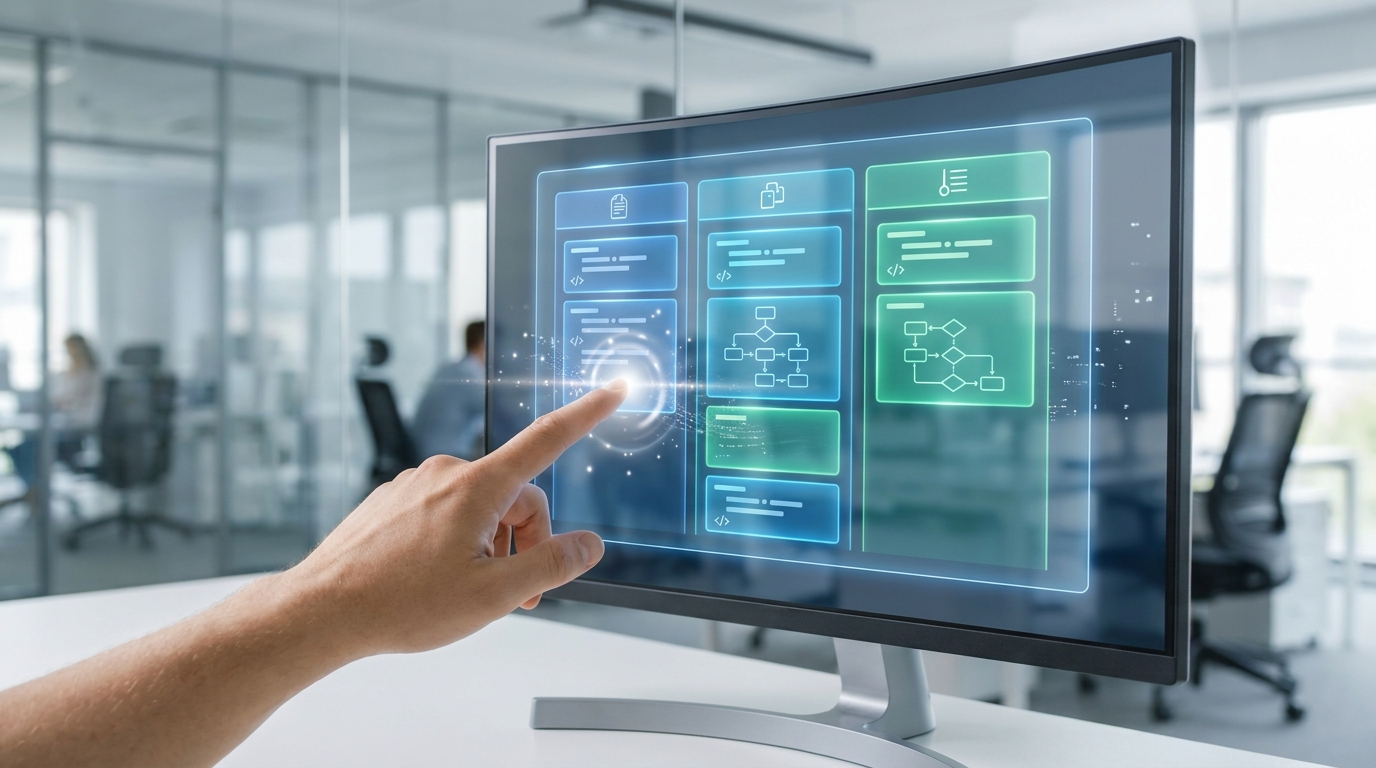
Plugins allow canvases to integrate with external tools, like Azure DevOps, for seamless workflow management.
The Future of Human-AI Partnership in Code 🤝
The introduction of canvases in GitHub Copilot Workspace marks a significant step forward in human-AI collaboration. It moves us beyond AI as a mere suggestion engine or a chat partner, towards a future where AI is an active, visual participant in the development process. This isn't about replacing developers; it's about empowering them with tools that make complex tasks more manageable and transparent.
By providing a shared, interactive surface, Copilot Workspace enhances transparency, control, and collaboration. It makes AI a more integral and intuitive part of the software development lifecycle, leading to more efficient task management, clearer project oversight, and ultimately, a more seamless partnership between you and your AI. This is truly an exciting time to be a developer!
💡 Pro Tip: When creating a new canvas, be specific in your prompt to the AI. Instead of just '/create-canvas', try '/create-canvas for tracking frontend bugs with columns: New, In Progress, Review, Done' to get a more tailored starting point!
Key Takeaways
- GitHub Copilot Workspace canvases are interactive, shared surfaces for human-AI collaboration.
- They move beyond chat, offering visual ways to structure, iterate, and verify development tasks.
- Canvases are highly customizable, supporting workflows like kanban boards, issue triage, and markdown planning.
- You can create canvases with simple prompts (e.g.,
/create-canvas) and scope them for personal or team use. - Plugins extend canvas functionality, allowing integration with external tools like Azure DevOps.
Related on Tech4SSD 🔗
- Holo3.1: Building Powerful AI Agents for Desktop & Web Automation (2026)
- Optimizing UI Performance for Massive Code Diffs in Developer Workflows (2026)
- Hex Data Workspace AI Agents for Visual Reporting: Your Data, Your Rules (2026)
📩 Want the freshest AI trends every week?
Subscribe to Tech4SSD — practical AI tools and trends, explained for everyone. Free. Subscribe →
Advertisement
Frequently Asked Questions
What's the main difference between canvases and regular Copilot chat?
Regular Copilot chat is text-based, providing suggestions and answers. Canvases offer a shared, interactive visual surface where both you and the AI can actively manipulate and organize elements like tasks, code, and documents, making collaboration more structured and transparent.
Can I share a canvas with my team?
Yes! Canvases can be scoped as personal or shared with a team, allowing for flexible integration into individual or collaborative development processes. This makes them great for team project planning and task management.
Are canvases only for code-related tasks?
While heavily geared towards development, canvases are versatile. They can be customized for various workflows, including planning documents (markdown canvases), issue triage, and even general project management, making them useful beyond just writing code.
Do I need to install anything extra to use canvases?
Canvases are a feature within the GitHub Copilot app. While some advanced functionalities might leverage plugins, the core canvas experience is integrated directly into the Copilot Workspace, so you'll primarily need access to the Copilot app itself.
Final Word
The evolution of GitHub Copilot Workspace with canvases is a game-changer for anyone in software development. It transforms AI from a helpful assistant into a true collaborative partner, working alongside you in a shared, visual space. This shift empowers you to build more efficient workflows, manage projects with greater clarity, and ultimately, innovate faster.
So, dive in, experiment with different canvas types, and start building custom workflows that fit your unique needs. The future of human-AI collaboration is here, and it's more interactive and intuitive than ever before. Go forth and create amazing things! ✨
Sources & Further Reading
- Working with canvas extensions in the GitHub Copilot app
- githubnext/copilot-workspace-user-manual
- https://docs.github.com/en/copilot/concepts/agents/github-copilot-app
- overview.md
- changes.md at 416c09f96b68d7fa2bc192d5b937449f118d87af · githubnext/copilot-workspace-user-manual
- Working with Canvas Extensions | Awesome GitHub Copilot
- content/posts/copilot-workspace-review.md
- Add SDK canvas runtime support
- Getting Started with the GitHub Copilot app | Awesome GitHub Copilot
- SDK: Align canvas with codegen pipeline, add e2e tests · Pull Request #1413 · github/copilot-sdk
AI tools and features change fast — verify current options before relying on them. — Tech4SSD Editorial


Discussion
Have a question or something to add?
Join the discussion on Blogger