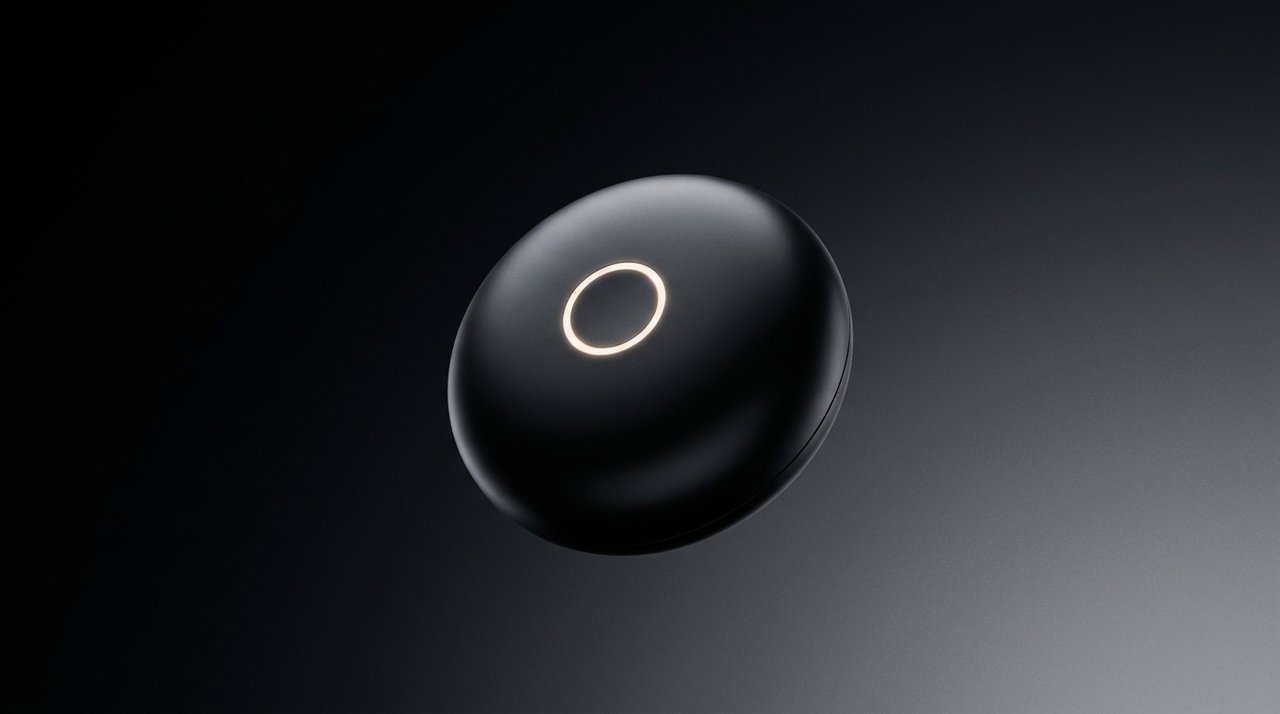
It's official enough to take seriously: OpenAI is developing a device to compete directly with the iPhone. Per MacRumors' latest roundup, the project — built in partnership with former Apple design chief Jony Ive and his firm io (which OpenAI acquired) — represents a significant departure from OpenAI's previously software-only strategy. The company that redefined how we talk to computers now wants to redefine the computer itself.
This isn't a phone in the traditional sense. Multiple reports describe a screenless, AI-first device designed to be a third core gadget alongside your phone and laptop — or, eventually, a replacement for the phone entirely. Here's everything we know, what it might do, and whether OpenAI can actually dent Apple's $3 trillion empire.
What We Actually Know
Pulling together MacRumors, reporting on the io acquisition, and adjacent coverage:
- Jony Ive is leading design. The legendary iPhone, iMac, and Apple Watch designer is the creative force. OpenAI acquired his hardware startup io to bring the team in-house.
- It's screenless (or screen-minimal). Reports consistently describe a device that breaks from the screen-first paradigm — voice, ambient sensing, and AI-first interaction rather than tapping a glass rectangle.
- Pocketable + context-aware. Designed to be carried like a phone, aware of your surroundings via cameras/microphones, and able to act as a proactive assistant rather than a reactive app launcher.
- Powered by OpenAI's models. GPT-5.5 and successors run the intelligence layer — the device is essentially a hardware vessel for ChatGPT-class AI that's always present.
- Targeting a 2026-2027 launch window. No confirmed date, but the team has been scaling aggressively since the io acquisition.
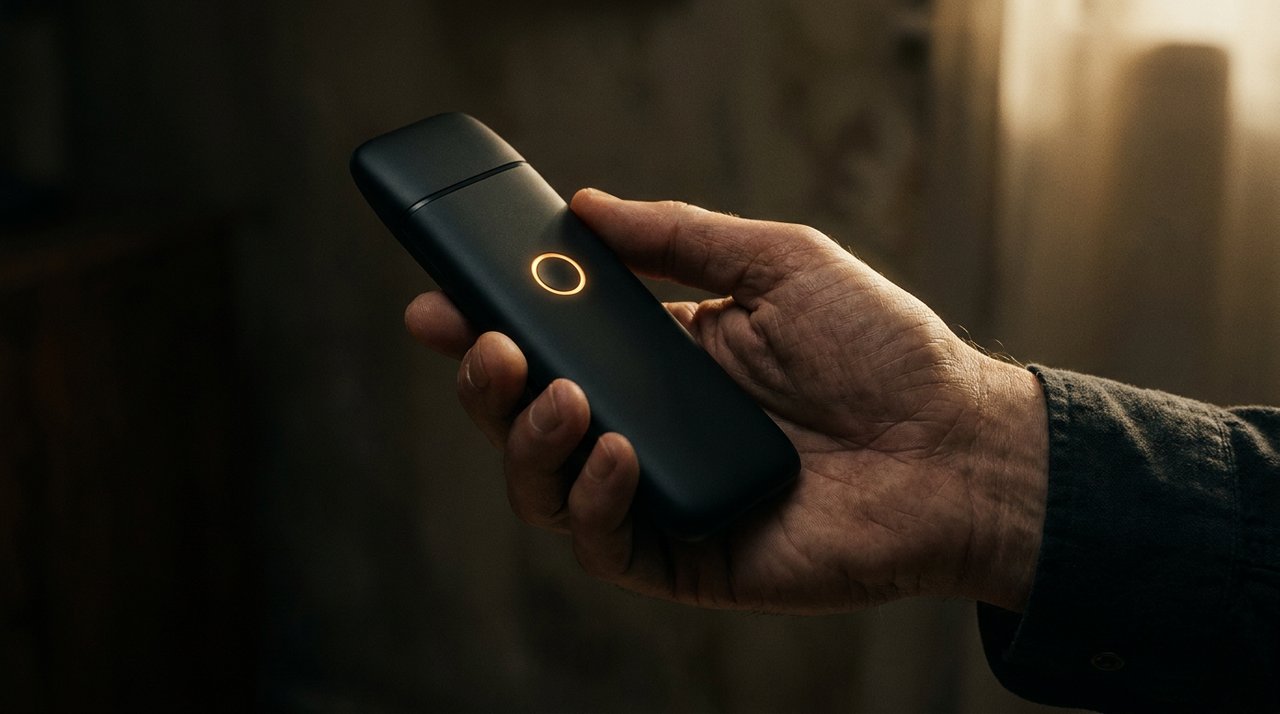
Reports describe a screenless, pocketable, AI-first device — a hardware vessel for always-present ChatGPT-class AI.
Why a Screenless Device? The Strategic Bet
OpenAI's thesis is that the smartphone interface — apps, home screens, notifications — is a relic of the pre-AI era. If AI can understand natural language and context perfectly, why do you need to tap through apps at all?
The bet: a device you talk to, that sees what you see, and acts on your behalf without you navigating a UI. Think of it as the anti-iPhone — where Apple optimized the screen, OpenAI wants to remove it. This is the same philosophical lane the Google AI smart glasses are exploring, but in a pocketable form rather than eyewear.
It's a huge gamble. Previous screenless AI devices (Humane AI Pin, Rabbit R1) failed spectacularly in 2024-2025 — too slow, too limited, too dependent on flaky connectivity. OpenAI's argument is that those products were early; the AI wasn't good enough yet. In 2026, with GPT-5.5-class models, the intelligence finally justifies the form factor. Maybe.
OpenAI vs Apple: David vs $3 Trillion Goliath
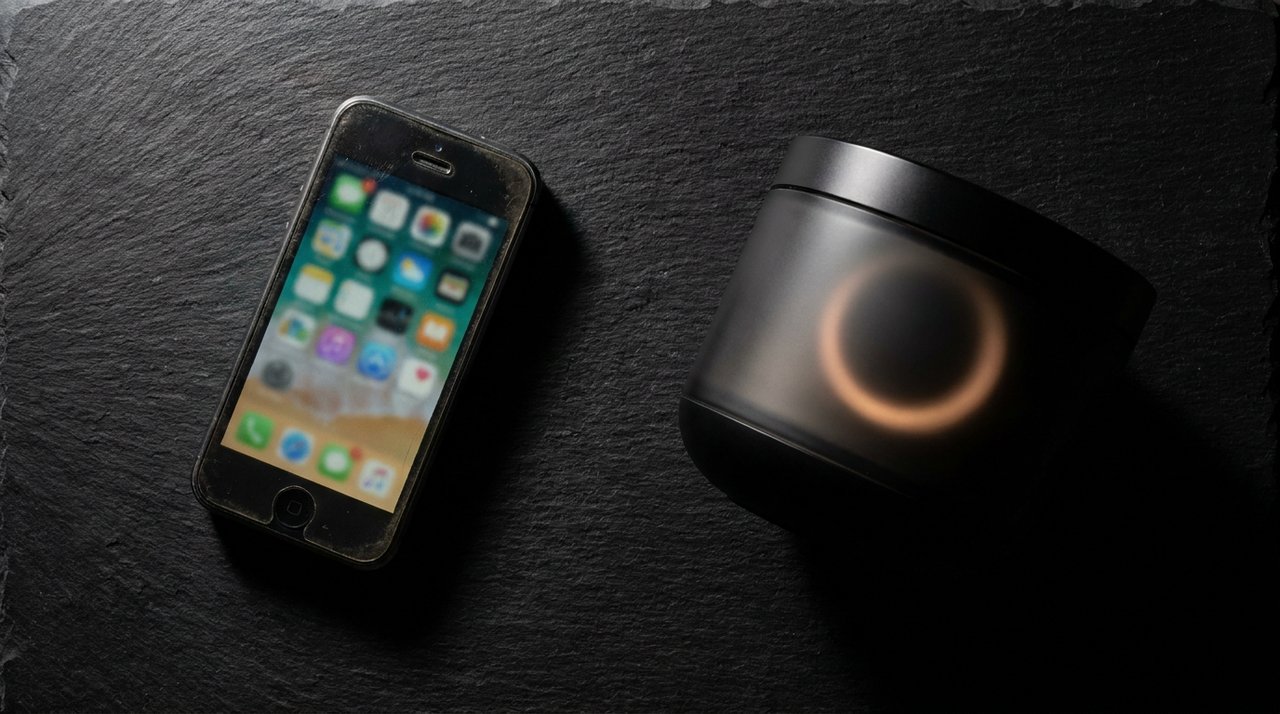
Old paradigm vs new: the screen-first phone vs the AI-first ambient device.
The challenge is staggering. Apple ships ~230 million iPhones a year, controls the entire hardware-software-services stack, and has 1.3 billion active devices. OpenAI has never shipped consumer hardware. Here's the honest scorecard:
| Factor | OpenAI device | iPhone |
|---|---|---|
| AI intelligence | GPT-5.5 native (best-in-class) | Apple Intelligence (catching up) |
| Hardware experience | Zero shipped products | 20 years, world-class |
| Design talent | Jony Ive (ex-Apple) | Apple design team |
| Distribution | None yet | Global retail + carriers |
| Ecosystem lock-in | ChatGPT (800M+ users) | iMessage, App Store, etc. |
OpenAI's only structural advantage is AI intelligence + Jony Ive's design genius + ChatGPT's 800M+ user base. That's not nothing — but hardware is brutally hard, and Apple isn't standing still. Per recent reports, Apple is doubling down on on-device AI precisely to defend against this threat.
Should You Care (Yet)?
- → Early adopter / gadget enthusiast: Watch closely. If anyone can make a screenless AI device work, it's the GPT-5.5 + Jony Ive combo. But wait for reviews — remember the Humane AI Pin hype-to-flop arc.
- → Content creator: This will be a massive content moment when it launches. Start building the audience angle now.
- → Investor / OpenAI IPO watcher: The hardware bet is a key part of OpenAI's trillion-dollar IPO narrative — diversifying beyond API revenue.
- → Average consumer: Don't change your phone plans. This is a 2027+ reality at the earliest, and v1 hardware is always rough.
FAQ
Is OpenAI really building a phone?
It's building a device to rival the phone — but most reports describe it as screenless and AI-first rather than a traditional smartphone. Think "third device" or eventual phone replacement, not an Android/iOS competitor with a touchscreen.
Is Jony Ive really involved?
Yes — OpenAI acquired his hardware design firm io, bringing Ive and his team in-house to lead the device's design. He's the former Apple Chief Design Officer behind the iPhone, iMac, and Apple Watch.
When will the OpenAI device launch?
No confirmed date. The realistic window is late 2026 to 2027. Hardware development cycles are long, and OpenAI has emphasized getting it right over getting it out fast — likely a reaction to the rushed AI gadgets that flopped in 2024-2025.
Will it replace my iPhone?
Not at launch. Even OpenAI's framing positions it as a complementary device first. Whether it eventually replaces phones depends on whether the screenless paradigm actually works in daily life — an unproven bet.
How is this different from the Humane AI Pin?
Same category (screenless AI wearable/device), but OpenAI's bet is that 2026-era models (GPT-5.5) are finally good enough to make the experience smooth — where Humane's 2024 device was crippled by slow, error-prone AI. Plus Jony Ive's design pedigree dwarfs Humane's.
Final Word
An OpenAI device designed by Jony Ive and powered by GPT-5.5 is the most credible attempt yet to build the "AI-first gadget" that the Humane Pin and Rabbit R1 failed to deliver. The intelligence is finally good enough; the design talent is the best in the world; the user base is already 800 million strong.
But hardware humbles everyone. Apple took decades to perfect the iPhone, and it still has the entire stack OpenAI lacks — manufacturing, retail, carrier relationships, ecosystem lock-in. The OpenAI device won't kill the iPhone in 2027. The real question is whether it can carve out a new category the way the iPhone itself once did — by making the old way suddenly feel obsolete.
📩 Every major AI hardware move, covered as it breaks.
Subscribe to Tech4SSD. Free. Sign up →
Sources: MacRumors, reporting on the OpenAI io acquisition, Cult of Mac, MacDailyNews. Reporting accurate as of May 22, 2026. Device details are based on current reporting and subject to change.
Discussion
Have a question or something to add?
Join the discussion on Blogger