
Microsoft is making its boldest move yet to control its own AI destiny. Per Reuters and The Information, the company will unveil a suite of homegrown AI models next week at its Build 2026 developer conference in San Francisco — including a coding-focused model designed to boost GitHub Copilot. The strategic subtext, confirmed by Sherwood News and Fortune: Microsoft AI CEO Mustafa Suleyman wants to wean the company off its dependence on OpenAI's technology.
It's a comeback attempt. As Claude Code became the startup default and Microsoft's own Copilot lost developer mindshare, Suleyman has been building an independent AI stack. Build 2026 is where that stack goes public. Here's what's coming and why it matters.
What Microsoft Is Announcing at Build 2026
Pulling from Reuters, The Information, Sherwood News, TipRanks, and Fortune:
- A homegrown coding model. Microsoft's own (likely "MAI"-branded) model built to power GitHub Copilot — reducing reliance on OpenAI's GPT models under the hood.
- A suite of models, not just one. The Information reports a "family" of homegrown AI models, spanning coding, chat, and other Copilot use cases.
- A Copilot "super app." Per Fortune's exclusive, Microsoft is building a super app that combines coding, chat, and other Copilot features into a single unified surface.
- Azure AI + Visual Studio updates. Alongside the models — infrastructure and dev-tooling updates across the two-day conference.
- The Suleyman strategy. Microsoft AI CEO Mustafa Suleyman (ex-DeepMind, ex-Inflection) is the architect of this independence push — gradually reducing dependence on the OpenAI partnership that defined Microsoft AI for years.
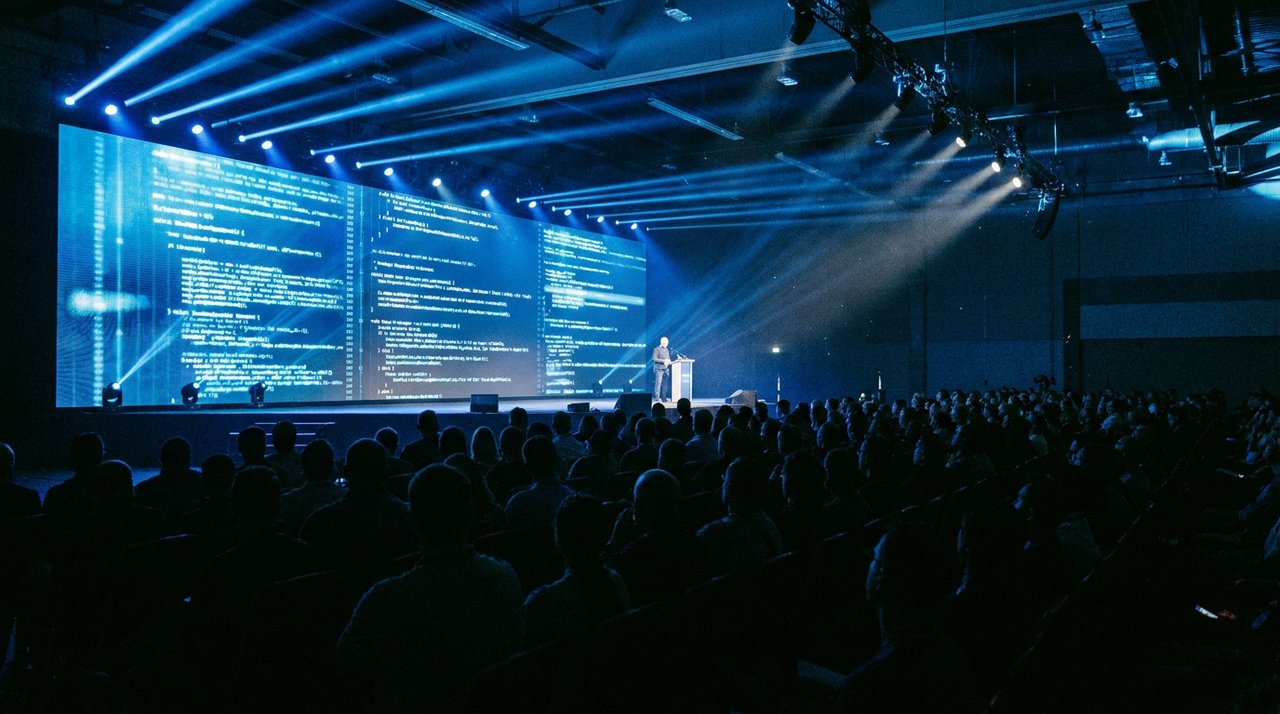
Build 2026 in San Francisco is where Microsoft's independent AI stack goes public.
Why Microsoft Is Ditching OpenAI Dependence
Microsoft invested ~$13 billion in OpenAI and built Copilot on GPT models. So why build its own? Three reasons:
- OpenAI is now a competitor. As OpenAI ships ChatGPT-branded products (including its iPhone rival and consumer apps) and prepares its trillion-dollar IPO, it increasingly competes with Microsoft directly. Relying on a competitor's models is a strategic vulnerability.
- Cost control. Per Fortune, internal Microsoft analysis has even questioned whether AI is more expensive than hiring people in some workflows. Owning the models lets Microsoft control inference costs instead of paying OpenAI's API margins.
- Copilot lost ground. GitHub Copilot was the original AI coding leader. It's now losing developers to Claude Code and Cursor. A homegrown, Copilot-optimized model is Microsoft's attempt to reclaim the lead.
Can Microsoft Actually Win Back Developers?

Microsoft building its own coding model (cyan) to reduce dependence on OpenAI (amber).
The honest assessment — Microsoft's advantages and disadvantages in the 2026 AI coding race:
| Advantage | Disadvantage |
|---|---|
| Owns GitHub (100M+ devs) | Copilot mindshare slipping to Claude |
| Owns VS Code (dominant editor) | Homegrown models unproven vs Claude/GPT |
| Azure distribution + enterprise | Late — Claude Code already entrenched |
| Suleyman's AI pedigree | Recent Copilot UX missteps eroded trust |
Microsoft's secret weapon is distribution: it owns GitHub and VS Code, where developers already live. Even a "good enough" homegrown model bundled into that ecosystem could regain significant share — most developers use the default tool, and Microsoft controls the defaults. The risk is quality: if the homegrown model can't match Claude Opus 4.8 or GPT-5.5, developers who've tasted better will stay switched.
What This Means For Developers
- → GitHub Copilot user: Watch Build 2026 closely. You may get a faster, cheaper, Copilot-native model option soon. Test it against your current setup before judging.
- → Claude Code / Cursor user: No immediate reason to switch — but more competition means better tools and lower prices for everyone. Watch the benchmarks.
- → Enterprise dev team on Azure: A homegrown Microsoft model could simplify compliance and billing (one vendor instead of OpenAI passthrough). Worth evaluating.
- → Indie hacker: The 2026 coding tool landscape just got more competitive — Claude, Cursor, Windsurf, and now a renewed Copilot. Pick on quality, not loyalty.
FAQ
When is Microsoft Build 2026?
Next week (late May 2026) in San Francisco. It's Microsoft's annual two-day developer conference. The new coding model is expected as one of several announcements alongside Azure AI and Visual Studio updates.
Is Microsoft dropping OpenAI entirely?
No — not entirely, and not immediately. Per Sherwood News, Suleyman is "gradually weaning" Microsoft off OpenAI's technology. The partnership continues, but Microsoft is building homegrown alternatives to reduce strategic dependence over time.
What is the Copilot super app?
Per Fortune's exclusive, Microsoft is building a super app that combines coding, chat, and other Copilot features into a single unified surface — rather than the current fragmented Copilot experiences across Windows, Office, and GitHub.
Will Microsoft's coding model beat Claude or GPT?
Unknown until benchmarks ship. Microsoft's homegrown models are unproven against Claude Opus 4.8 and GPT-5.5. Its real advantage is distribution (GitHub + VS Code), not necessarily raw model quality — at least at launch.
Who is Mustafa Suleyman?
Microsoft's AI CEO. He co-founded DeepMind (acquired by Google) and later Inflection AI before joining Microsoft. He's leading the company's push to build an independent AI stack and reduce reliance on OpenAI.
Final Word
Microsoft Build 2026 is shaping up to be the moment Microsoft stops being "the company that resells OpenAI" and starts being an AI lab in its own right. Suleyman's bet is that owning the models — and bundling them into GitHub, VS Code, and a unified Copilot super app — can reclaim the developer mindshare Microsoft lost to Anthropic and Cursor.
The distribution advantage is real and enormous. But developers in 2026 have tasted Claude Opus 4.8 and Cursor — they know what great feels like. Microsoft's homegrown model has to be genuinely good, not just convenient. Build 2026 will tell us which it is.
📩 The AI coding wars + Big Tech moves, tracked weekly.
Subscribe to Tech4SSD. Free. Sign up →
Sources: Reuters, The Information, Sherwood News, TipRanks, Fortune. Reporting accurate as of May 22, 2026.
Discussion
Have a question or something to add?
Join the discussion on Blogger