Health AI privacy checklist: here is what the official release means in practice. AI is stepping into some seriously personal territory, and nowhere is that more true than with your health. With new features like OpenAI’s ‘Health in ChatGPT’ rolling out, it’s more important than ever to understand how your sensitive medical data is handled. That’s why we’ve put together a crucial Health AI privacy checklist to empower you. 🛡️
You’re about to dive into the nitty-gritty of permissions, record management, data sharing, and deletion when using AI for health. We’ll break down what you need to know to keep your personal health information secure and under your control, even as AI gets smarter. Ready to become a privacy pro? Let’s go! 💪
Health AI can help organize information and prepare questions, but it can make mistakes and does not replace the care or judgment of a qualified medical professional. Verify important information with a clinician; for urgent symptoms, contact local emergency services.
Advertisement
Understanding the New Health AI Landscape 🌍
OpenAI is making waves by integrating personal health data directly into ChatGPT. This means you can now connect your Apple Health data and even medical records from certain U.S. hospital systems, One Medical, and Function Health directly to ChatGPT. The idea? To give you personalized insights and answers based on *your* unique health context. Imagine asking ChatGPT about a specific lab result and getting an explanation tailored to your medical history. Pretty cool, right?
But with great power comes great responsibility, especially when it comes to your health information. This move highlights a growing trend: AI tools are no longer just for general knowledge. They’re becoming deeply personal, and that demands a new level of attention to how your data is managed. It’s not just about what the AI can do; it’s about what *you* can control.
Your Data, Your Rules: Permissions & Default Settings 🔐
One of the biggest concerns with any AI handling sensitive data is how that data is used to train the models. OpenAI has made a clear statement here: by default, your medical records, third-party health data, and conversations within Health Features are *not* used to improve their foundational models. This is a huge win for privacy and a critical point to understand.
However, 'by default' is the key phrase. While your data isn’t used for general model training, there are still layers of access. For instance, authorized OpenAI personnel and trusted service providers *can* have limited access to your Health Features data for model safety improvement. The good news? You can often opt out of this specific access. Always check the settings and privacy policies for any health AI tool you use to understand these nuances.
- Default Protection: Medical records and health data connected to ChatGPT Health are NOT used to train OpenAI's foundational models by default.
- Opt-Out Options: You can typically opt out of limited access by authorized personnel for model safety improvements. Look for these settings!
Connecting Your Records: What You Need to Know 🔗
Connecting your health records to an AI tool is a big step. With ChatGPT Health, you can link your Apple Health data, which includes things like activity, sleep, and heart rate, as well as medical records from participating U.S. hospital systems, One Medical, and Function Health. This integration is designed to make the AI's responses more relevant and helpful to you.
Before you hit 'connect,' make sure you understand exactly *which* data points are being shared. Is it just your step count, or does it include sensitive diagnostic information? The more granular you can be with your permissions, the better. Always review the terms of service and privacy notices for both the AI tool and the health service you're connecting. Think of it like giving someone the keys to your house – you want to know which rooms they can access.

Connecting your health data to AI tools requires careful consideration of permissions and data flow.
Data Retention & Deletion: Your Right to Be Forgotten 🗑️
What happens to your health data once it's connected to an AI? How long is it kept, and can you delete it? These are crucial questions for your Health AI privacy checklist. OpenAI's Health Privacy Notice, updated June 29, 2026, explains their information and privacy practices for ChatGPT Health and Connect Health offerings. This document is your go-to for understanding their retention policies.
Generally, you should have the ability to delete your connected health data and your conversations at any time. Look for clear options within the AI tool's settings for data management. If you disconnect a service, ensure that the data previously shared is also purged from the AI's systems, or at least no longer actively used. Your data shouldn't linger indefinitely if you decide to opt out.
Advertisement
Sharing Your Health Insights: Who Sees What? 🤝
When you use an AI tool for health, you're essentially having a conversation about your most personal information. While the AI itself might not 'see' it in a human sense, the data is still processed. It's vital to understand who else might have access to this information, even in anonymized or aggregated forms.
OpenAI states that some information provided via Health Features may constitute 'Consumer Health Data' under specific state laws, like Washington’s My Health My Data Act and Nevada’s Consumer Health Data Privacy law. This means there are legal frameworks in place to protect your data. Always be mindful of sharing outputs from these AI tools with others, as those outputs might contain sensitive information derived from your connected health data. Think twice, share once!
Your Health AI Privacy Checklist: Key Actions You Can Take ✅
Feeling a bit overwhelmed? Don't be! Here’s a straightforward Health AI privacy checklist to guide you through using AI for health responsibly. Empower yourself with knowledge and proactive steps.
Remember, you are the ultimate guardian of your personal health information. AI is a powerful tool, but it works best when you're in control.
| Privacy Action | Why It Matters | Where to Check |
|---|---|---|
| Review Privacy Notices | Understand data collection, use, and sharing policies. | OpenAI Health Privacy Notice, ChatGPT settings |
| Check Default Settings | Confirm your data isn't used for general model training. | ChatGPT Health settings, OpenAI Help Center |
| Manage Data Connections | Control which specific health data sources are linked. | ChatGPT Health settings (Connect Health), Apple Health app |
| Opt-Out of Access | Prevent limited personnel access for safety improvements. | ChatGPT Health privacy settings |
| Understand Retention Policy | Know how long your data is stored and when it's deleted. | OpenAI Health Privacy Notice |
| Exercise Deletion Rights | Ensure you can remove your data and conversations. | ChatGPT account settings, OpenAI Help Center |
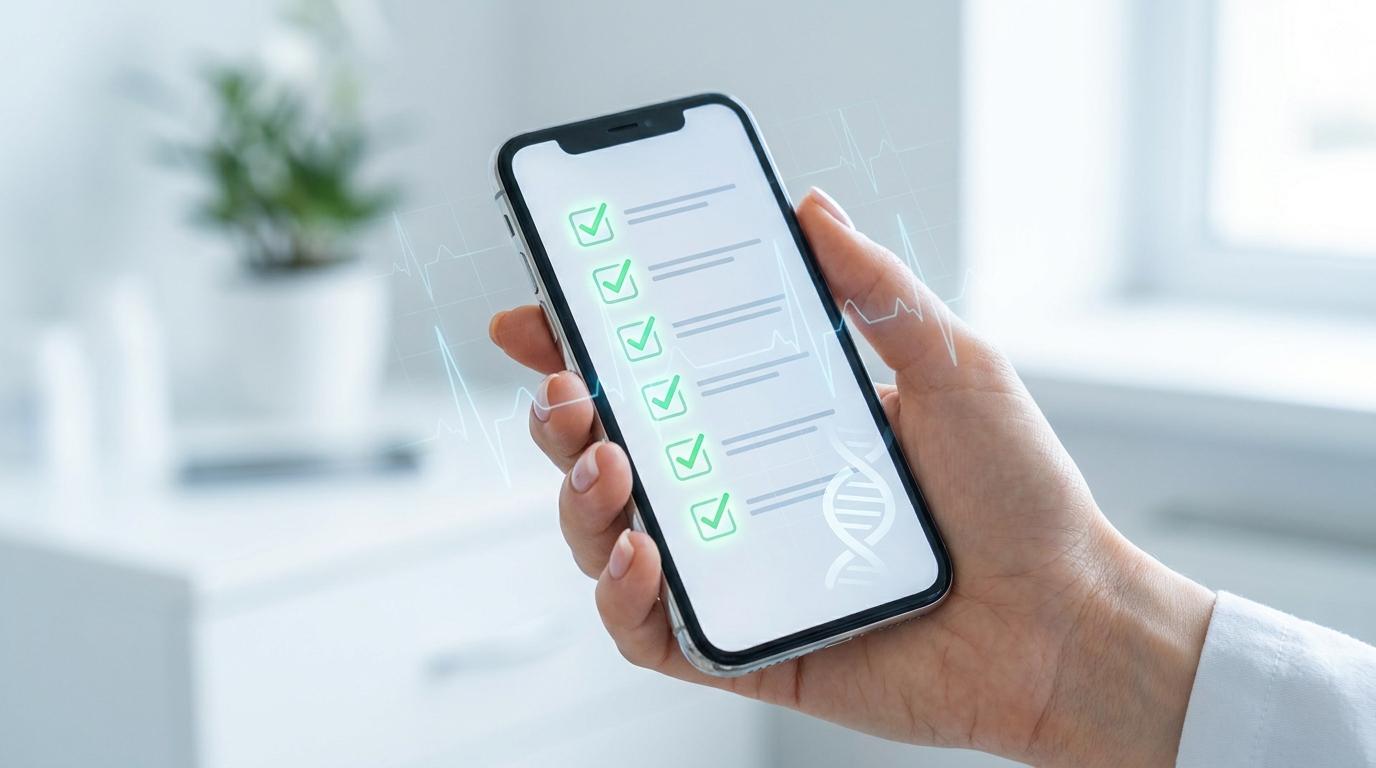
Proactively managing your health data permissions is key to maintaining privacy with AI tools.
Future-Proofing Your Health Data Security 🛡️
As AI continues to evolve and integrate further into our lives, especially in sensitive areas like health, staying informed is your best defense. New regulations and features will emerge, and your Health AI privacy checklist will need regular updates. Make it a habit to periodically review the privacy policies of any AI tool you use, particularly those handling your health information.
The landscape of AI in healthcare is dynamic. By understanding your rights, managing your permissions, and being proactive about your data, you can harness the incredible potential of AI to improve your health without compromising your privacy. You've got this!
💡 Pro Tip: Always treat any health advice or information from an AI tool as a starting point for discussion with a qualified medical professional, not a definitive diagnosis or treatment plan.
Key Takeaways
- By default, your health data in ChatGPT Health is NOT used for foundational model training.
- You have control over connecting Apple Health and medical records, and can often opt out of personnel access for safety improvements.
- Always review privacy notices and understand data retention and deletion policies for any health AI tool.
- Be mindful of state-specific consumer health data laws (like Washington and Nevada) that provide additional protections.
- Proactively manage your permissions and data sharing settings to maintain control over your sensitive health information.
- Health AI can help organize information and prepare questions, but it can make mistakes and does not replace the care or judgment of a qualified medical professional. Verify important information with a clinician; for urgent symptoms, contact local emergency services.
Related on Tech4SSD 🔗
- Navigating AI Bias: Challenges & Solutions for Creators in 2026
- Beyond ChatGPT: The Top Free AI Tools for Students in 2026 Offer Specialization and Uncapped Access
- Beyond Chatbots: Building Your Specialized AI Productivity Stack for 2026
📩 Want the freshest AI trends every week?
Subscribe to Tech4SSD — practical AI tools and trends, explained for everyone. Free. Subscribe →
Advertisement
Frequently Asked Questions
Is my health data in ChatGPT used to train OpenAI's main models?
No, by default, your medical records, third-party health data, and conversations within ChatGPT Health Features are not used to improve OpenAI's foundational models. This is a key privacy safeguard.
Can I disconnect my health data from ChatGPT if I change my mind?
Yes, you should have the ability to disconnect your health data sources and delete your conversations at any time through your ChatGPT account settings. Always verify this in the tool's privacy settings.
What is 'Consumer Health Data' and how does it affect me?
Consumer Health Data refers to certain health information protected by specific state laws, like Washington's My Health My Data Act. If your data falls under these definitions, it receives additional legal protections regarding its collection, use, and sharing by companies.
Final Word
The integration of AI into personal health is a game-changer, offering incredible potential for personalized insights and support. But like any powerful tool, it demands a clear understanding of its implications, especially concerning your privacy. By following this Health AI privacy checklist, you're not just protecting your data; you're empowering yourself to use AI responsibly and confidently.
Stay curious, stay informed, and always prioritize your digital well-being. Your health data is yours, and with the right knowledge, you can ensure it stays that way. Go forth and AI responsibly! 🚀
Sources & Further Reading
- Health Privacy Notice | OpenAI
- Health in ChatGPT | OpenAI Help Center
- ChatGPT — Release Notes | OpenAI Help Center
- Launching Health in ChatGPT | OpenAI
- Admin controls, security, and compliance for plugins and apps | OpenAI Help Center
- How ChatGPT learns about the world while protecting privacy | OpenAI
AI tools and features change fast — verify current options before relying on them. — Tech4SSD Editorial