Big news just dropped in the AI world! OpenAI, one of the biggest names in artificial intelligence, has reportedly offered the U.S. government a 5% ownership stake in the company. Yes, you read that right: a slice of the pie! This isn't just a corporate maneuver; it's a huge deal that could reshape how AI is developed, regulated, and even how its benefits are shared with everyday creators like you. 🤯
So, what's really going on? Why would OpenAI do this? And what does it mean for your favorite AI tools or the future of innovation? We're breaking down this groundbreaking proposal into plain English, so you can understand the implications without needing a law degree or an economics Ph.D. Let's dive in!
Advertisement
The Big Offer: 5% of OpenAI 💰
Imagine giving away a chunk of your incredibly successful company. That's essentially what OpenAI has proposed. They've offered the U.S. government a 5% ownership stake. To put that in perspective, based on OpenAI's recent $852 billion valuation, that 5% slice is worth a staggering $42.6 billion. That's a lot of zeros! 🤯
This isn't a spur-of-the-moment idea. Discussions about this kind of arrangement have been happening for over a year. OpenAI CEO Sam Altman reportedly pitched this concept to the Trump administration as early as 2025. The core idea? To share the massive economic benefits of AI with the public, potentially through a government-managed fund.
The U.S. government has actually taken stakes in private companies before. Remember when the Trump administration invested $8.9 billion in Intel Corp and got a 10% stake? This isn't entirely new territory, but it's certainly a first for a leading AI developer like OpenAI. It signals a new era where AI's power is so significant, governments are looking for direct involvement.
Why the Offer? Political Pressure & Public Benefit 🏛️
So, why would a company like OpenAI make such an unprecedented offer? It boils down to a few key reasons, all stemming from the growing influence and challenges of AI. Think of it as a strategic move to address mounting pressure from Washington.
One big factor is political blowback. As AI gets more powerful, so do the concerns about its risks. We're talking cybersecurity vulnerabilities, the potential for job displacement, and even the ethical dilemmas of advanced AI. By offering a stake, OpenAI aims to show they're serious about addressing these concerns and working with the government, rather than against it. It's a way to defuse some of that tension.
Another driver is the idea of sharing the wealth. OpenAI CEO Sam Altman has consistently argued that AI's economic upside should benefit the public. He's even suggested a broader arrangement, imagining a 'public wealth fund' or a similar government vehicle that would hold stakes in major U.S. AI companies like Anthropic, Google, and Meta. This could ensure that as AI grows, its financial gains are distributed more widely, not just concentrated among a few tech giants.
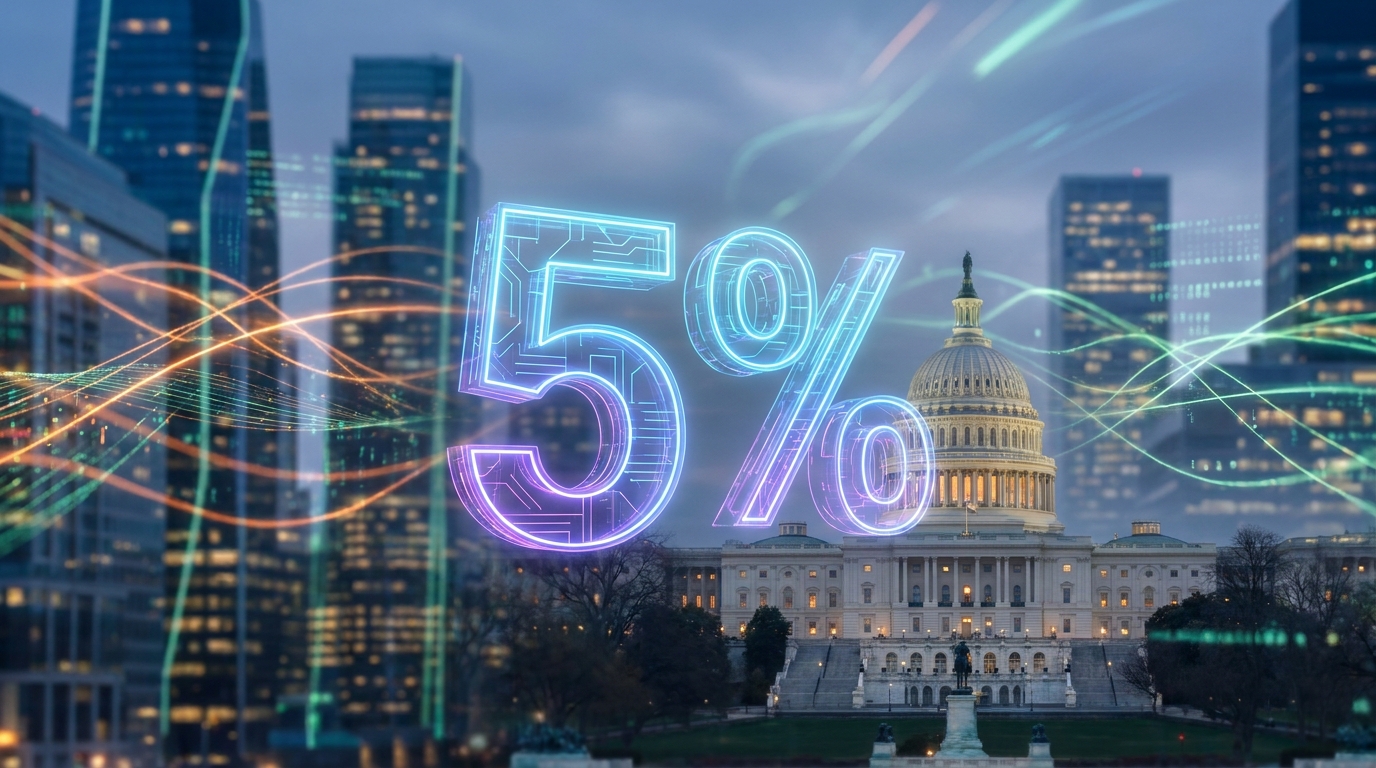
OpenAI's proposed 5% stake aims to bridge the gap between AI innovation and public benefit.
The Geopolitical Chessboard 🌍
This isn't just about domestic politics; it's also about a global power play. The race for AI dominance is intense, especially between the U.S. and countries like China. The U.S. government is increasingly worried about rising competition from Chinese AI models and the potential cybersecurity vulnerabilities of advanced AI systems.
A government stake in OpenAI could give the U.S. a stronger hand in shaping global AI standards, protecting national interests, and ensuring that American AI leadership is maintained. It's a way to secure a seat at the table, influencing the strategic direction of these frontier AI labs. This move could set a precedent for how governments interact with critical technology companies on a global scale.
Think of it like this: if a country owns a piece of the most advanced AI, they have a direct say in its development, its safeguards, and how it's deployed. This is crucial in a world where AI is becoming as strategically important as energy or defense.
What Does This Mean for You? 🤔
Okay, so big companies and governments are making big moves. But what does this actually mean for you, the everyday creator, student, or small business owner using AI tools?
First, it signals a significant shift in AI governance. Government ownership could lead to more direct influence on AI regulation. This might mean new rules around data privacy, algorithmic bias, or even how AI models are trained and deployed. For you, this could translate to more transparent AI tools, or perhaps new compliance standards if you're building AI-powered solutions. It could also mean more funding for public AI initiatives, which might lead to better, more accessible tools down the line.
Second, it raises questions about data access and intellectual property. If the government has a stake, will they have more say in what data AI models are trained on? Will there be new rules around who owns the creations generated by these AI tools? These are complex questions, but the answers could impact everything from how you use AI for content creation to how your small business leverages AI for customer service. It's something to keep an eye on, as it could influence the very tools you rely on.
Advertisement
Potential Impact on AI Development & Competition 🚀
This proposed OpenAI government stake isn't just about money; it's about influence. If the U.S. government becomes a part-owner, it could directly impact the strategic direction of OpenAI and potentially other leading AI developers.
Imagine government representatives on OpenAI's board or having a say in major decisions. This could influence research priorities, safety protocols, and even the types of products OpenAI develops. For creators, this might mean a greater emphasis on ethical AI, or perhaps a push for open standards that make AI tools more interoperable. It could also mean more U.S.-focused development, prioritizing American interests in the global AI race.
On the flip side, this could also spark increased competition. If OpenAI is seen as having a government 'partner,' other AI companies might feel pressured to make similar arrangements or innovate even faster to maintain their independence and market share. This competitive push could actually be a good thing for users, leading to more diverse and powerful AI tools hitting the market faster. It's a dynamic situation that could truly shake up the industry.
- Regulation Influence: Government ownership could mean more direct oversight and new rules for AI development and deployment. This might lead to higher safety standards but also potentially more bureaucracy.
- Data & IP Access: Expect discussions around what data AI models can use and who owns AI-generated content to intensify, potentially affecting how you create and commercialize AI-powered work.
A Broader Vision: Public Wealth Funds? 💸
Sam Altman's vision goes beyond just OpenAI. He's talked about a 'public wealth fund' that would hold stakes in multiple major U.S. AI developers. Think of it as a super-fund, distributing the benefits of AI growth more widely across the population.
This idea aims to prevent the concentration of AI-driven wealth in just a few hands. Instead, the profits from these government-held stakes could be used for public services, infrastructure, or even direct dividends to citizens. It's a bold concept that could fundamentally change the economic landscape of AI, making it a shared national asset rather than solely a private one.
While still in the discussion phase, this broader vision highlights the deep concerns about equitable wealth distribution in the age of AI. For you, this could mean that the success of AI tools you use every day might indirectly contribute to public good, rather than just corporate profits. It's an exciting, albeit complex, possibility.

The concept of a 'public wealth fund' could see shared government ownership across leading AI companies.
💡 Pro Tip: Stay informed about AI policy changes! Even if you're not in Washington, these decisions will eventually shape the AI tools you use, their capabilities, and their cost.
Key Takeaways
- OpenAI has proposed selling a 5% stake to the U.S. government, valued at approximately $42.6 billion.
- The move aims to address growing political pressure, manage AI risks, and share economic benefits with the public.
- This could set a precedent for government ownership in leading AI developers, influencing regulation and strategic direction.
- OpenAI CEO Sam Altman envisions a broader 'public wealth fund' holding stakes in multiple AI companies.
- For creators and small businesses, this could impact AI tool regulations, data access, and market competition.
Related on Tech4SSD 🔗
- AI Note-Taking Apps in 2026: From Transcription to Actionable Intelligence (2026)
- AI Tools for Students in 2026: Your Ultimate Guide to Smarter Learning
📩 Want the freshest AI trends every week?
Subscribe to Tech4SSD — practical AI tools and trends, explained for everyone. Free. Subscribe →
Advertisement
Frequently Asked Questions
What is the 5% stake in OpenAI worth?
Based on OpenAI's recent $852 billion valuation, the 5% stake proposed to the U.S. government is valued at approximately $42.6 billion.
Why is OpenAI offering a government stake?
The offer aims to address mounting political pressure in Washington regarding AI risks, cybersecurity vulnerabilities, and competition. It also seeks to share AI's economic benefits with the public.
Will other AI companies also offer government stakes?
OpenAI CEO Sam Altman has suggested a broader arrangement where other leading U.S. AI developers like Anthropic, Google, and Meta could also cede similar stakes, potentially managed by a 'public wealth fund.'
How might this affect AI tools I use daily?
Government ownership could lead to increased regulation, new standards for data access and intellectual property, and a potential shift in research priorities, all of which could influence the features, ethics, and availability of your favorite AI tools.
Final Word
This move by OpenAI is a clear signal that AI has moved beyond just a tech trend; it's now a major geopolitical and economic force. The idea of governments owning stakes in leading AI companies is a game-changer, potentially ushering in an era of more collaborative (or perhaps more controlled) AI development. It raises big questions about who benefits from AI's growth and how its incredible power will be governed.
For you, the takeaway is clear: stay engaged. The future of AI is being shaped right now, and these decisions will directly impact the tools you use, the opportunities you can create, and even the digital landscape you operate in. Keep learning, keep experimenting, and keep an eye on how these big shifts unfold. The future is yours to create! ✨
AI tools and features change fast — verify current options before relying on them. — Tech4SSD Editorial
Discussion
Have a question or something to add?
Join the discussion on Blogger